
Author: architech.vegnar

  • Future-Proofing Architecture: Embracing Futuristic Hardware Trends Shaping Buildings Worldwide

    Future-Proofing Architecture: Embracing Futuristic Hardware Trends Shaping Buildings Worldwide

    Introduction

    Architecture today is not only about building strong structures but also about creating smarter, sustainable, and visually compelling spaces. With rapid technological innovations and evolving lifestyles, architects and designers are turning to Futuristic Hardware Trends to enhance the performance, efficiency, and beauty of modern buildings. From sustainable materials to advanced glass fitting solutions like the Glass Sliding Systems, the future of architecture lies in hardware that blends durability with innovation.

    In this article, we explore the key Futuristic Hardware Trends shaping residential, commercial, and urban spaces across the globe and why these innovations are vital for future-ready construction.


    The built environment is changing. Cities are becoming smarter, energy efficiency is a global priority, and buildings must adapt to new demands. Here’s why hardware plays such a critical role:

    • Longevity: Durable hardware ensures buildings stand the test of time.
    • Innovation: Smart systems like automated doors and Glass Sliding Systems redefine convenience.
    • Sustainability: Eco-friendly hardware reduces carbon footprints.
    • Design Freedom: Cutting-edge hardware gives architects the flexibility to innovate.

    By aligning with Futuristic Hardware Trends, builders can create spaces that not only look modern today but remain functional and appealing for decades to come.


    1. Advanced Glass Solutions: Rise of the Glass Sliding Systems

    One of the most impactful innovations in modern hardware is the Glass Sliding System. Unlike conventional door setups, sliding and folding systems offer space optimization, maximum light flow, and a sleek aesthetic appeal.

    • Residential Use: From wardrobes to balconies, Glass Sliding Systems bring sophistication and functionality to homes.
    • Commercial Spaces: Offices and retail environments use them for partitions and entrances that combine elegance with durability.
    • Sustainability: By maximizing natural light, Glass Sliding Systems contribute to eco-friendly and energy-efficient spaces.

    This makes them a cornerstone of Futuristic Hardware Trends worldwide.


    2. Smart Automation in Hardware

    Technology-driven architectural hardware is becoming a necessity. From automatic door closers to intelligent security systems, automation enhances both safety and convenience. The integration of IoT-enabled hardware is one of the most influential Futuristic Hardware Trends of the decade.


    3. Sustainable & Eco-Friendly Hardware

    As green architecture gains momentum, sustainable hardware solutions—such as stainless steel with recycled content or aluminum with eco-friendly coatings—are rising in demand. These materials reduce environmental impact while maintaining strength and aesthetics.


    4. Minimalist Design Hardware

    Simplicity is the new luxury. Minimalist, sleek handles, hinges, and fittings are trending in both residential and commercial projects. Their understated elegance aligns with the global movement towards decluttered and modern interiors.


    5. Durable & Resilient Materials

    With climate change and global urbanization, resilience is key. Hardware that can withstand humidity, extreme temperatures, or heavy usage is being prioritized. Stainless steel, anodized aluminum, and tempered glass hardware are central to Futuristic Hardware Trends.


    Expert Insights: What Architects Look For

    According to industry experts, three main aspects guide architectural hardware choices today:

    • Functionality – ensuring smooth, practical usage.
    • Design Aesthetics – complementing modern architecture with elegance.
    • Sustainability – focusing on hardware that reduces energy usage and lasts longer.

    The Glass Sliding System exemplifies these qualities, combining durability, modern design, and eco-efficiency.


    • Residential Buildings: Glass partitions, sliding doors, and modular fittings.
    • Commercial Workspaces: Smart locks, automated access, and sliding systems for flexible layouts.
    • Hospitality Sector: Luxury hotels are using glass sliding systems, minimalist handles, and eco-friendly finishes for premium guest experiences.
    • Urban Infrastructure: Smart, resilient, and sustainable hardware integrated into large-scale projects.

    Installation & Maintenance of Modern Systems

    Futuristic Hardware Trends
    • Professional installation is vital for advanced hardware like the Glass Sliding System to ensure safety and alignment.
    • Regular cleaning and track maintenance keep sliding systems smooth.
    • Eco-friendly cleaning solutions extend the life of hardware and align with sustainability goals.

    To understand how global architectural innovations are evolving, read more at World Architecture Community.


    The future of architecture is here, and it is being shaped by cutting-edge, sustainable, and smart hardware solutions. From Glass Sliding Systems that optimize light and space to automated and eco-friendly fittings, the role of Futuristic Hardware Trends cannot be underestimated.

    By adopting these innovative solutions, architects, designers, and homeowners can future-proof their spaces—creating buildings that are stylish, sustainable, and resilient for generations to come.
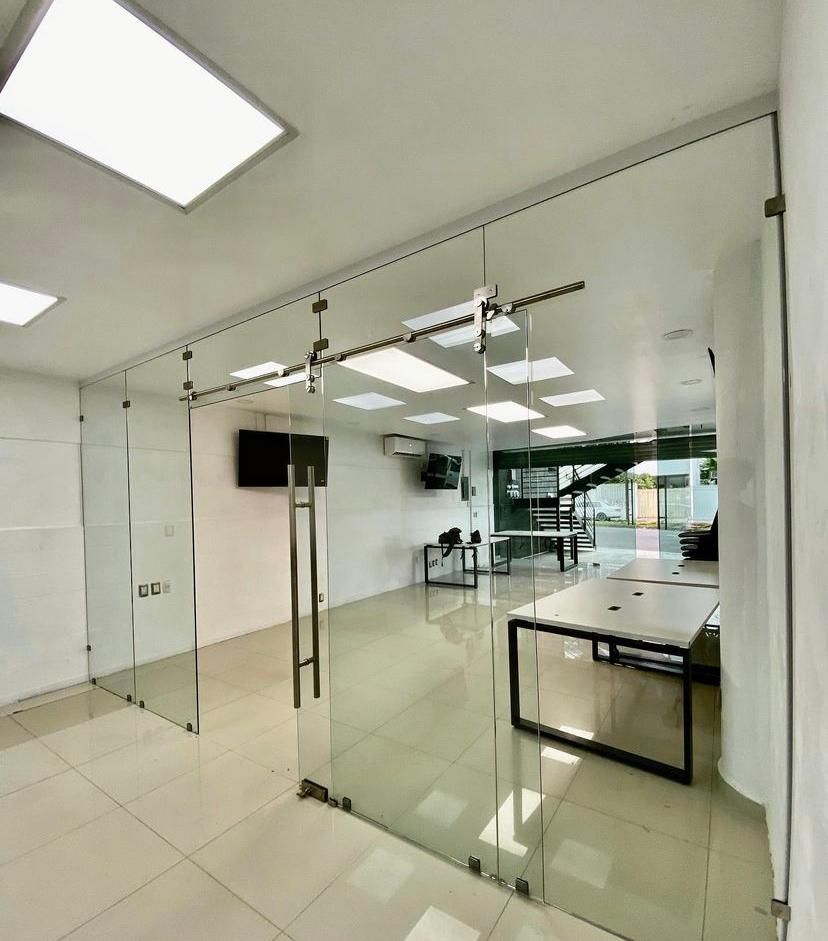
  • Glass Sliding System: The Ultimate Guide to Modern Elegance and Functionality

    Glass Sliding System: The Ultimate Guide to Modern Elegance and Functionality

    Glass Sliding Systems solutions are redefining modern architecture by blending functionality with elegance. Whether in homes, offices, or commercial spaces, a Glass Sliding Systems offers unmatched style, durability, and flexibility. This innovative hardware not only saves space but also creates seamless transitions, making it a top choice for architects, designers, and property owners.

    From residential homes to commercial complexes, Glass Sliding Systems have emerged as the go-to choice for architects, designers, and property owners seeking style, durability, and versatility.


    Introduction to Glass Sliding System

    The Glass Sliding Systems is a highly versatile and modern hardware solution used for creating smooth, functional, and stylish partitions or doors. Whether it’s a Glass sliding systems in a luxury home or a commercial glass partition, these systems enhance space usage while adding a premium touch.


    Why Choose a Vegnar’s Glass Sliding System?

    The popularity of the Glass Sliding Systems comes from its ability to:

    • Save valuable space in compact areas.
    • Enhance natural light flow indoors.
    • Add a sleek, modern look to interiors.
    • Provide durability through high-quality stainless steel or aluminum tracks and fittings.

    Key Features and Benefits

    • Space Optimization – Perfect for compact apartments, offices, and shops.
    • Smooth Operation – High-quality rollers and fittings ensure seamless sliding.
    • Modern Aesthetics – Frameless design elevates luxury spaces.
    • Durability – Crafted using premium-grade materials resistant to wear and tear.
    • Customizable Options – Choose from multiple styles, finishes, and track systems.

    Applications of Glass Sliding Folding Systems

    The Glass Sliding Systems is versatile enough to be used in:

    • Residential Spaces – Balcony enclosures, wardrobes, kitchen partitions.
    • Commercial Buildings – Conference rooms, office partitions, retail displays.
    • Hospitality Sector – Hotels, restaurants, and resorts use these systems to blend functionality with luxury.
    • Industrial Use – Factory offices and showrooms where space optimization is key.

    Material and Design Options

    Vegnar offers Glass Sliding Systems in a variety of options:

    Glass Sliding Systems

    Material Choices: Stainless steel 304/316, anodized aluminum.

    Track Types: Top-hung, floor-mounted, and concealed tracks.

    Glass Sliding Systems
    Glass Sliding Systems

    Finishes: Brushed steel, matte black, chrome, or custom colors.

    Glass Compatibility: Works with tempered, laminated, or acoustic glass.

    Glass Sliding Systems

    Installation & Maintenance Tips

    • Hire a professional installer for precise glass alignment.
    • Clean tracks regularly to avoid dust build-up.
    • Use soft-close fittings for enhanced safety.
    • Avoid harsh chemicals when cleaning; use mild soap and microfiber cloth.

    Pricing Insights: Dealer vs Distributor

    When choosing a Glass Sliding Systems, pricing depends on whether you buy from a dealer or a distributor.

    FactorDistributorDealer
    PricingLower (bulk discounts)Higher (retail markup)
    ServiceBulk supply, limited customizationPersonal consultation, after-sales support
    AccessibilityDirect for contractorsEasy access for homeowners
    Best ForBuilders, architects, large projectsIndividual buyers, designers

    – For Example: A premium Glass Sliding System may cost ₹6,000 at a distributor level but retail for ₹7,500–₹8,000 through a dealer.

    – Tip: For bulk projects, buy from a distributor; for individual projects, a dealer offers better guidance.


    Minor Drawbacks to Consider

    While the Glass Sliding Systems is an outstanding choice, some minor considerations include:

    • Requires regular cleaning to maintain clarity and shine.
    • Needs professional installation for smooth operation and safety.

    These drawbacks are minimal compared to the long-term benefits of style, space, and durability.

    Conclusion & Next Steps

    A Glass Sliding Systems is more than just hardware—it’s a transformative architectural solution. By offering seamless movement, space efficiency, and modern elegance, it enhances homes, offices, and hospitality projects alike.

    Whether you’re aiming to open up compact interiors or design a bold luxury statement, investing in a Glass Sliding Systems from Vegnar ensures you get the perfect blend of style, strength, and innovation.

    Learn global design inspirations from ArchDaily

    Frequently Asked Questions (FAQ)

    Q1: Are Glass Sliding Systems durable?
    Yes, Vegnar’s systems use premium tempered glass and robust tracks for long-lasting performance.

    Q2: Can they be used in small spaces?
    Absolutely! Glass Sliding Systems are designed for compact and large spaces alike.

    Q3: How do I maintain my Glass Sliding System?
    Just clean with mild soap and ensure tracks remain dust-free and lubricated.

    Q4: Where can I buy Glass Sliding Systems?
    You can explore Vegnar’s official collection for premium options.

    Q5: What’s the price difference between dealers and distributors?
    Dealers offer added services, while distributors provide better rates for bulk orders.

  • Trusted Glass Fitting Hardware for High-Traffic Zones: Built for Performance & Longevity

    Trusted Glass Fitting Hardware for High-Traffic Zones: Built for Performance & Longevity

    In the demanding world of public architecture, durability and performance are not negotiable. Whether it’s a bustling airport terminal, a high-end shopping mall, or a luxury hotel lobby, the hardware used behind the scenes must be engineered to endure constant usage without compromising safety or aesthetics.

    At Vegnar, a trusted Exporter in India of premium Glass Fitting Hardware, we focus on performance-tested solutions that meet the specific challenges of High Traffic Zones. This article explores how components like floor springs, pivots, and glass connectors are designed to deliver maximum durability and safety in such environments.


    Why Glass Fitting Hardware Matters in High-Traffic Zones

    Modern architecture increasingly favours glass for openness, visibility, and contemporary design. But in High Traffic Zones, the mechanical systems that support and guide glass panels face repetitive motion, weight load, foot traffic, and safety requirements far beyond those in residential or light-use spaces.

    Glass Fitting Hardware in such settings isn’t just aesthetic; it’s mission-critical. It ensures:

    • Safe and smooth movement of heavy glass doors
    • Proper alignment and load management
    • Long-term performance with minimal maintenance
    • Seamless integration with access control and automation systems

    Key Components of Durable Glass Fitting Systems

    1. Floor Springs for Heavy-Duty Door Control

    Floor springs are hydraulic mechanisms embedded in the floor to control the swing and self-closing of glass doors. In High Traffic Zones, they must be:

    • Load-bearing, capable of supporting glass doors up to 150–300 kg
    • Adjustable, to fine-tune closing speed and latch tension
    • Tested, to operate thousands of cycles daily without oil leakage or failure

    At Vegnar, our floor springs are engineered with precision CNC technology and feature SS 304 or SS 316 casings to enhance corrosion resistance — ideal for export to coastal or humid regions.

    🔗 See Heavy-Duty Floor Springs in Action


    2. Top and Bottom Pivots: Smooth Motion, Secure Hold

    Pivots are unsung heroes in frameless glass door systems. In high-traffic environments like airports, retail entries, or lobby entrances, top and bottom pivots allow controlled door rotation without stress on the glass edges.

    Vegnar Glass Fitting Hardware pivots come with:

    • High-tensile SS 304/SS 316 construction
    • Maintenance-free bearings
    • Compatibility with toughened glass from 10mm to 15mm

    Their role is crucial in maintaining alignment, door balance, and safety under repetitive movement.


    3. Glass Connectors & Patch Fittings: Stability Meets Aesthetics

    For glass walls, partitions, and entrances, connectors and patch fittings ensure the panels are held securely without frames. In High Traffic Zones, they must resist:

    • Constant vibration and impact
    • Misalignment from heavy usage
    • Environmental exposure

    Vegnar’s patch fittings include corner connectors, L-connectors, T-connectors, and more — all precisely machined for flush installation and seamless glass transitions.

    🔗 Explore Glass Patch Fitting Types


    Export-Ready Hardware: Vegnar’s Global Capabilities

    As a leading Exporter in India, Vegnar provides Glass Fitting Hardware solutions that meet global quality standards — including EN, ISO, and ANSI certifications. Our commitment to:

    • Marine-grade SS 316 fittings
    • OEM and custom labelling
    • Export packaging for high-volume orders

    makes us a preferred partner for distributors, contractors, and developers across the Middle East, Africa, and Southeast Asia.

    🔘 Get in Touch for Export Collaboration


    Applications in Real-World High-Traffic Zones

    Our hardware is currently in use across:

    Application SectorTypical Use Areas
    International AirportsEntry/Exit Vestibules, Lounges
    Luxury HotelsConference Areas, Pool Decks, Lobby Entrances
    Retail ComplexesMall Entries, Showroom Partitions, Escalator Access Points

    These areas see tens of thousands of people daily, proving the resilience of Vegnar Glass Fitting Hardware in real-time conditions.


    Why Choose Vegnar for High-Traffic Hardware Solutions?

    At Vegnar, we understand the unique demands of High Traffic Zones. Our hardware is not only strong but also elegant — ensuring your architectural spaces retain their premium aesthetics without compromising on safety.

    As a trusted Hardware Exporter in India, our strength lies in:

    • Technically superior product designs
    • Rapid fulfilment for export orders
    • Global network of partners and distributors
    • In-house R&D and quality assurance systems

    🔘 Browse Vegnar’s Glass Hardware Range


    Conclusion: Engineered for Impact. Built to Last.

    Choosing the right Glass Fitting Hardware can define the long-term success of high-traffic infrastructure projects. With Vegnar, you’re not only investing in durable fittings but also in expertise, service, and international export readiness.

    If you’re sourcing architectural hardware for large-scale public or commercial projects, trust Vegnar — the Exporter in India that delivers durability, design, and dependability.

  • The Ultimate Guide to Spider Fittings: Structural Precision Beyond Aesthetic Appeal

    The Ultimate Guide to Spider Fittings: Structural Precision Beyond Aesthetic Appeal

    In modern architectural glazing systems, Spider fittings have become a defining symbol of minimalism and transparency. But contrary to common belief, these aren’t just stylish metallic arms holding glass in place — they are essential components that bear structural loads, enhance safety, and define the performance of facade and curtain wall systems.

    As an experienced Hardware Exporter in India, Vegnar brings clarity to the purpose, types, and export relevance of Spider fittings for commercial and luxury architecture projects.


    What is a Spider Fitting?

    A Spider fittings is a stainless steel connector designed to support glass panels without the need for frames. It enables structural glazing by fixing glass with articulated arms or “spiders” to a load-bearing surface such as a tension rod system, wall, or glass fin.

    Their primary function is not aesthetic, but structural — to safely distribute glass loads (including wind pressure, seismic shifts, and impact loads) across fixed anchor points.


    Functional Importance of Spider Fittings

    While often mistaken for merely decorative parts of architectural facades, Spider fittings play several critical roles:

    • Load Distribution: Ensures the uniform transmission of dynamic and static loads across the system.
    • Structural Transparency: Enables large spans of frameless glass with minimal visible interruption.
    • Durability: When manufactured from premium SS 304 or SS 316, they offer long-term resistance to corrosion, especially in exterior or coastal applications.
    • Flexibility: Spider arms are designed to allow slight movement — critical for high-rise or seismic zones.

    SS 304 vs SS 316 Spider Fittings for Export

    For those involved in international projects, the right stainless steel grade matters. SS 304 is suitable for most interior and low-exposure exterior applications, whereas SS 316 is essential for marine or high-humidity zones due to its superior corrosion resistance.

    As a trusted Exporter in India, Vegnar provides both grades, helping clients choose the best match based on climate, geography, and design life.

    Export Guide for the Spider Fittings


    Types of Spider Fittings Offered by Vegnar

    At Vegnar, we offer an extensive range of Spider fittings for different mounting conditions:

    1. 2-Arm, 3-Arm, 4-Arm Spiders
    2. Fin Mount, Wall Mount, and Ceiling Mount Variants
    3. Rotatable Head Spiders for slope-adjustable facades
    4. Bolt or Routel Type Connection Systems

    Our fittings are designed for quick installation, high tensile load resistance, and long-term performance.


    Exporting Spider Fittings: Vegnar’s Global Edge

    With export-ready packaging, international certifications, and a deep understanding of architectural requirements, Vegnar has positioned itself as a premium Hardware Exporter in India for structural glass fittings. From the Middle East to Africa, our Spider fittings are preferred in both commercial skyscrapers and high-end villa projects.

    🔗 Explore Vegnar’s Elegant Spider Fittings

    We offer:

    • Custom labelling for OEM & distributor brands
    • Marine-grade SS 316 Spider fittings for coastal projects
    • Bulk export packaging with global shipping compliance

    Applications Across Global Architecture

    Spider fittings are widely used in:

    Vegnar Spider Fittings

    Airports & Transit Hubs

    Vegnar Spider Fittings

    Commercial Office Towers

    Vegnar Spider Fittings

    Luxury Hotels

    Vegnar Spider Fittings

    Shopping Malls & Atriums

    Vegnar Spider Fittings

    Glass Canopies and Skylights

    Their ability to blend structural stability with aesthetic openness makes them ideal for any project seeking visual lightness without compromising on safety.


    Why Architects and Exporters Trust Vegnar

    With precision CNC-manufactured fittings, stringent quality control, and global logistics experience, Vegnar is not just a supplier — we’re a trusted partner in architecture and exports.

    If you’re an Exporter in India, distributor, or project consultant, we invite you to explore our Spider fitting collections that meet every specification — from basic load-bearing arms to custom-engineered facade systems.


    Conclusion: Spider Fittings Built for Strength, Not Just Style

    While they may look sleek, Spider fittings are key to structural glazing. Whether you’re working on a local landmark or a global commercial project, using the right fittings is critical to performance and longevity.

    At Vegnar, we combine design, engineering, and export expertise to help you deliver on both.

  • SS304 vs SS316: Export Smart with the Right Stainless Steel Grade

    SS304 vs SS316: Export Smart with the Right Stainless Steel Grade

    When choosing a material for your project, a critical decision often arises: SS 304 vs. SS 316. This definitive guide will break down the key differences between these two popular stainless steel grades to help you make an informed choice.

    This blog explores the technical, commercial, and market-driven aspects of these two premium stainless steel grades, helping you make an informed decision for international business.

    SS304: The Global Standard for General Use

    ss 304 vs ss 316

    SS304 is the most commonly used grade of stainless steel, known for its versatility and cost-effectiveness. It contains 18% chromium and 8% nickel, which provides excellent corrosion resistance for indoor and mildly outdoor applications.

    Why Export SS304?

    Cost Advantage: More affordable compared to SS316

    Wide Market Fit: Ideal for general-purpose railing systems, glass hardware, door handles, and furniture

    Ease of Fabrication: Easier to machine and weld

    High Demand in Developing Markets: Countries with moderate climates prefer SS304 for its balance of quality and price

    At Vegnar, our SS304 product range includes balustrades, spigots for Railing Systems & glass clamps, hinges for the Glass Fitting Hardware; that meet international quality benchmarks.

    SS316: The Premium Choice for Harsh Environments

    SS316 offers enhanced corrosion resistance thanks to 2–3% molybdenum in its composition. This makes it the ideal choice for marine, coastal, and industrial applications.

    Why Export SS316?

    • Superior Corrosion Resistance: Excellent for salty air, chlorides, and industrial chemicals
    • Required in Coastal Projects: Essential for countries with coastal cities or humid environments (e.g., UAE, Australia, Maldives)
    • Premium Projects: High-end architecture, hospitality, and public infrastructure projects prefer SS316
    • Long-Term Durability: Reduces warranty claims and product degradation issues

    As a trusted hardware exporter in India, Vegnar offers precision-engineered SS 316 systems for projects that demand longevity and performance.

    SS 304 vs SS 316 – At a Glance

    FeatureSS 304SS 316
    Composition18% Cr, 8% Ni16% Cr, 10% Ni, 2–3% Mo
    CostLowerHigher
    Corrosion ResistanceGoodExcellent
    Ideal UseIndoor & general outdoor useCoastal & industrial environments
    Common Export MarketsAfrica, South AsiaMiddle East, Australia, EU

    Export Trends & Insights

    • Middle East & Gulf markets favor SS316 for coastal builds and luxury hotel projects.
    • African and South Asian countries often request SS304 due to affordability and value-engineering requirements.
    • European buyers prefer a mix of both, based on project location and specifications.

    For more global trends, check out World Stainless Steel Market Analysis – MEPS International

    Which One Should You Export More?

    Your export strategy should align with both market climate and buyer expectations:

    – Offer both grades with technical documentation, quality certification, and durability testing – all standard with Vegnar exports.

    – Target SS316 for premium architectural export to Dubai, Qatar, and the Mediterranean.

    – Push SS304 in value-driven markets like Kenya, Sri Lanka, and Bangladesh.

    Why Choose Vegnar as Your Hardware Exporter in India?

    • Full product range in SS304 and SS316
    • ISO-certified manufacturing and testing
    • Custom packaging for export
    • Market-specific consultancy for overseas clients
    • Proven record as a top-tier hardware exporter in India

    Ready to scale your export business with the right products?

    Why Choosing Vegnar Is the Right Decision for Export Success

    In a global market driven by precision, quality, and regional requirements, Vegnar stands as a reliable partner for your stainless steel hardware exports. Whether you’re targeting cost-effective SS 304 solutions or need high-performance SS 316 for demanding environments, Vegnar offers both with unmatched quality, engineering, and export-ready support.

    As a leading hardware exporter in India, our deep understanding of international standards, packaging compliance, and custom requirements ensures your projects succeed—wherever they go.

    Choose Vegnar not just for hardware, but for a partnership built on trust, sustainability, and global performance.7

  • Eco-Friendly Hardware & Revolutionary Hardware for Sustainable Architecture

    Eco-Friendly Hardware & Revolutionary Hardware for Sustainable Architecture

    In today’s built environment, architects and developers are not only designing for function and beauty—but also for the future. Sustainability has moved from being a trend to a necessity, and at Vegnar Architectural Hardware, we’re proud to support that movement with high-performance eco-friendly hardware solutions tailored for modern construction.

    Whether it’s a commercial tower in Dubai, a smart office in Mumbai, or a hospitality project in Europe, building sustainably starts with making responsible material and design choices—from foundation to finishing hardware.

    Why Eco-Friendly Architectural Hardware Matters?

    Sustainable architecture requires that every component of a building contributes to its energy efficiency, longevity, and environmental responsibility. While hardware components may seem small, their material composition, recyclability, and life cycle play a crucial role in minimizing a building’s ecological footprint.

    Vegnar is committed to offering hardware systems that are not just high-performing but also aligned with eco-friendly and green building standards, such as:

    • LEED (Leadership in Energy and Environmental Design)
    • WELL Building Standard
    • IGBC (Indian Green Building Council)

    Learn more about LEED certification

    What Makes Vegnar’s Hardware Eco-Friendly?

    At Vegnar, we design and manufa4cture architectural hardware using responsibly sourced materials, efficient production methods, and minimal environmental impact. Here’s how:

    – Recyclable Materials

    We use high-grade stainless steel (SS304 & SS316) and aluminum—both of which are 100% recyclable, corrosion-resistant, and have long service lives. These materials reduce the need for frequent replacements and lower overall environmental impact.

    – Sustainable Finishing Processes

    Our powder-coated and anodized aluminum railings use non-toxic coatings with low VOC (volatile organic compound) emissions—an important factor in indoor air quality and green building certifications.

    – Modular Systems

    Vegnar’s modular railings and hardware systems are designed for easy disassembly and reuse, helping reduce construction waste during renovation or repurposing projects.

    – Energy-Efficient Production

    Our hardware is manufactured using energy-efficient equipment, and we continuously optimize our processes to reduce waste, water use, and carbon emissions across the supply chain.

    Popular Eco-Friendly Products by Vegnar

    Product CategorySustainability Feature
    Aluminum Handrails100% recyclable, anodized coating, long life
    Stainless Steel SpigotsCorrosion-resistant, no painting or maintenance
    Glass Canopy HardwareDurable and reusable, fewer replacements needed
    Modular Railing SystemsLow-waste installation and reuse flexibility

    How Sustainability Impacts Building Lifespan and Value

    Green building practices, including eco-friendly hardware, offer long-term benefits such as:

    • Reduced energy and maintenance costs
    • Increased asset value
    • Enhanced occupant comfort and wellness
    • Contribution to climate goals and ESG compliance

    In markets like the UAE, UK, and India, sustainable design is now linked with tax benefits and favorable government incentives—making eco-friendly hardware not just a choice, but a smart investment.

    Explore India’s green building growth

    Trends in Compliance and Specification

    Hardware in the Middle East must comply with international codes such as:

    • Qatar Construction Specifications (QCS) – A regional benchmark for design and safety
    • ISO 9001 / 14001 – Quality and environmental management
    • BS EN Standards – Structural loading, accessibility, and safety
    • ADA Guidelines – For accessible handrails and door systems

    Going Green with Vegnar

    Choosing Vegnar’s eco-friendly hardware isn’t just a style decision—it’s a sustainable choice. Our recyclable stainless steel and aluminum products support LEED credits, minimize carbon emissions, and deliver lasting performance for green-certified buildings.

    Explore sustainable railings, spigots, and architectural fittings now.

    🔗 Visit Vegnar’s Eco-Friendly Collection

    Final Thoughts

    Sustainability in architecture begins with selecting the right materials. At Vegnar, we believe in merging design integrity with environmental responsibility. Our commitment to eco-friendly hardware ensures your projects meet modern building standards while reducing their impact on the planet.

    Choose Vegnar—where innovation meets sustainability.

  • Emerging Trends in Architectural Hardware field of Middle East: Insights from Dubai, Qatar & GCC Projects

    Emerging Trends in Architectural Hardware field of Middle East: Insights from Dubai, Qatar & GCC Projects

    The Middle East trends continues to set global benchmarks in urban design, luxury real estate, and smart city planning. As landmark projects rise across Dubai, Doha, Riyadh, and Abu Dhabi, the demand for high-quality, durable, and design-forward architectural hardware is increasing at a rapid pace.

    This article explores the evolving preferences in materials, finishes, and hardware systems that are shaping commercial and luxury developments in the region, with insights valuable for developers, architects, and specifiers sourcing products globally.

    Market Overview: Design Meets Durability

    Architectural hardware in the Middle East must balance cutting-edge aesthetics with performance in extreme climates. High humidity, salt exposure, and heat levels make material selection and finishing crucial in both exterior and interior applications.

    Key influencers driving demand:

    1. Design trends focused on minimalism, contrast finishes, and durability
    2. Continued growth in luxury hospitality and mixed-use developments
    3. Increased investment in smart infrastructure (e.g., NEOM, Expo City, Lusail)
    4. Regional regulations enforcing safety and accessibility standards

    Preferred Materials in Modern Middle Eastern Construction

    Stainless Steel (SS316 & SS316L)

    • Marine-grade stainless steel remains the top choice due to its corrosion resistance and longevity in humid and coastal conditions.
    • Commonly used in railing systems, door hardware, glass fixings, and façade elements.
    • Finishes such as satin, mirror polish, and PVD-coated colors are widely specified.

    Aluminum

    • Lightweight and cost-effective, aluminum is frequently chosen for handrails, curtain walls, and modular hardware systems.
    • Ideal for public infrastructure, stadiums, and high-rise commercial towers.
    • Finishing options include anodizing, powder coating, and wood-grain effects.

    Brass and Bronze

    • Though more niche, these materials are specified in palaces, luxury villas, and heritage restorations.
    • Often seen in custom-made handles, knobs, latches, and decorative fittings.

    Hardware Systems in High Demand

    Product CategoryUse Cases
    Stainless Steel Railing SystemsBalconies, staircases, pool perimeters
    Glass Spider & Patch FittingsCommercial façades, glass partitions
    Concealed Hinges and Pivot SystemsLuxury doors, villas, and interior renovations
    Modular Aluminum HandrailsWalkways, metro stations, public access areas
    Door Hardware (PVD)Hotels, premium apartments, retail projects

    Popular Finishes in Commercial and Luxury Projects

    The finishes of architectural hardware significantly impacts both aesthetics and lifespan. The following are currently in high demand across the GCC:

    Trends in the Middle East: Insights from Dubai, Qatar & GCC Projects
    • PVD Coated Gold / Rose Gold: Widely used in five-star hotels, luxury apartments, and upscale retail interiors.
    • Matte Black / Bronze Finish: Ideal for contemporary villas and corporate offices, offering a clean, high-contrast appearance.
    • Brushed Stainless Steel (Satin Finish): Common in commercial applications including malls, hospitals, airports, and educational buildings.
    • Antique Brass / Vintage Bronze: Applied in traditional and boutique designs where classic appeal is desired.

    – Check out the Luxury & Real estate Trends Across the GCC below:

    Regional Applications and Standards

    Middle Eastern construction projects place a strong emphasis on international code compliance and long-term performance. Most architectural hardware must meet or exceed:

    • ISO and BS standards
    • ADA (for accessibility and public safety)
    • Project-specific fire, seismic, and corrosion testing

    Project types include:

    • High-rise towers and corporate headquarters
    • Hospitality and resort properties
    • Transportation infrastructure (airports, metros)
    • Government buildings and embassies
    • Residential gated communities and luxury estates

    Insights for Exporters and Specifiers

    To succeed in supplying architectural hardware to the Middle East market, manufacturers must:

    • Ensure packaging is export-ready and compliant with regional import norms
    • Offer SS316-grade or equivalent materials
    • Provide custom finishes including black, bronze, and gold tones
    • Maintain large-scale inventory or short lead times
    • Supply project-specific documentation such as CAD files, load testing data, and finish certifications

    Vegnar’s Commitment to Middle Eastern Projects

    At Vegnar Architectural Hardware, we understand the specifications, performance requirements, and design expectations of the GCC region. Our product range includes:

    • Stainless steel railing systems (SS316 & SS304)
    • PVD-coated glass hardware
    • Modular aluminum handrails
    • High-load spider fittings
    • Concealed hinges and door closers

    We supply to contractors, developers, and project specifiers across the UAE, Qatar, Saudi Arabia, Oman, and beyond.

    Request a catalogue or consultation at: Vegnar Architectural Hardware or Email us on: sales@vegnar.com

  • Vegnar Aluminum Handrails: An Exceptional Reasons to Upgrade Your Railing Systems Today

    Vegnar Aluminum Handrails: An Exceptional Reasons to Upgrade Your Railing Systems Today

    When it comes to durable, cost-effective, and visually sleek railing solutions, Vegnar Aluminum Handrails stand out as a top choice for architects, contractors, and homeowners alike. Built for modern design requirements and engineered for long-term use, they are ideal for residential, commercial, and industrial applications.

    Vegnar Aluminum Handrails are precision-engineered railing solutions made from high-grade extruded aluminum, designed to withstand environmental challenges while maintaining a sleek, modern appearance. These systems are adaptable for indoor and outdoor use, with a variety of profiles, finishes, and installation methods to suit diverse architectural requirements.

    What Makes Vegnar Aluminum Handrails a Smart Choice?

    Aluminum is the metal of the future — lightweight yet strong, corrosion-resistant, and extremely versatile. At Vegnar, we take it a step further by combining engineering precision, architectural detailing, and industry-standard safety to produce our premium Aluminum Handrail Systems.

    From staircases and balconies to walkways and ramps, Vegnar Aluminum Handrails offer unmatched flexibility in design and performance.

    Installation Insights

    Installing Vegnar Aluminum Handrails is straightforward for professionals, thanks to their modular design.
    Key points for installation:

    1. Follow local safety regulations for railing height and spacing
    2. Ensure the base structure is level and stable
    3. Use stainless steel fasteners for enhanced durability
    4. Allow for expansion gaps to accommodate temperature changes

    Key Features of Vegnar Aluminum Handrails

    • Corrosion Resistance – Our handrails are powder-coated or anodized, making them highly resistant to corrosion — perfect for both indoor and outdoor applications, including coastal zones.
    • Lightweight & Durable – Aluminum is 3x lighter than steel but still structurally robust, reducing load while maintaining support strength.
    • Low Maintenance – Unlike stainless steel or mild steel, aluminum doesn’t rust. Occasional cleaning is all it takes to maintain its finish.
    • Custom Finishes & Profiles – Choose from a range of modern finishes: matte black, silver anodized, brushed look, wood-effect coating, and more. Various profiles such as round, square, and rectangular tubes are available.
    • Ease of Installation – Pre-engineered modular components allow for quick on-site installation with minimal tools.
    • Compliance with Safety Standards – Designed in line with international and local building codes (including ADA & ISO standards), ensuring peace of mind and long-term reliability.

    Applications of Vegnar Aluminum Handrails

    Vegnar Aluminum Handrails are suitable for:

    – Outdoor Areas – Decks, gardens, beachfront properties

    – Commercial Buildings – Staircases, balconies, walkways

    – Residential Properties – Terraces, interior stairs, patios

    – Hospitals & Public Institutions – Accessibility ramps, corridors

    – Industrial Facilities – Guardrails, service platforms

    Technical Overview

    SpecificationDetails
    Surface Finish OptionsAnodized, powder-coated, brushed
    MaterialHigh-grade extruded aluminum
    Mounting TypesWall-mounted, floor-mounted, side-mounted
    Available ProfilesRound, square, oval, flat bar
    Compatible AccessoriesBrackets, end caps, elbows, base plates

    Why Choose Vegnar for Your Handrail Needs?

    At Vegnar Architectural Hardware, we combine engineering expertise with a commitment to quality. Our aluminum handrails are tested for strength, finish quality, and long-term performance. We work closely with architects, contractors, and project owners to provide tailored railing solutions for both small-scale and large commercial developments.

    • Wide range of profiles & finishes
    • Quick lead times for project deadlines
    • International shipping & bulk order support
    • Compliance with safety and building codes

    Contact us for a consultation or browse our Aluminum Railing Solutions.

    Eco-Friendly Edge

    Sustainability is no longer optional — it’s an industry expectation. Choosing Vegnar Aluminum Handrails supports green building initiatives. Since aluminum can be recycled indefinitely without losing quality, it’s one of the most environmentally responsible metals in construction.

    Final Thoughts

    Vegnar Aluminum Handrails are more than just a safety feature — they’re a design statement, a sustainable choice, and a practical solution for long-term performance. Whether your project is residential, commercial, or public, these handrails deliver the durability, versatility, and visual appeal that today’s architecture demands.

    – Get in touch to receive a product catalog, samples, or project consultation.

  • Revolutionary Stainless Steel Spigot System – The Future of Frameless Railing Design

    Revolutionary Stainless Steel Spigot System – The Future of Frameless Railing Design

    Are you looking for a modern, minimal, and ultra-strong solution for your glass railings?

    The Spigot System is revolutionizing the world of frameless balustrades with its sleek design and unmatched strength. Whether it’s a pool fence, balcony, terrace, or staircase — this hardware is quickly becoming a favorite in high-end architectural and ironmongery applications.

    What is a Spigot System?

    A Spigot System refers to a frameless glass railing support setup where stainless steel spigots (compact metal clamps) hold the glass panels upright — without needing bulky posts or frames. Perfectly engineered for strength and minimalism, these systems are a staple in modern ironmongery solutions.

    Each spigot system anchors into the ground or base, creating a solid grip that holds the glass securely. Ideal for both indoor and outdoor installations.

    Core Features of Stainless Steel Spigot Systems

    High-Grade Stainless Steel (SS304/SS316) – Corrosion-resistant and durable in all weather conditions, especially near coastal areas.
    Frameless Look – Clean and contemporary design that blends with modern architecture.
    Quick, Clean Installation – No need for vertical posts or welding – just place, fix, and install.
    Versatile Mounting Options – Choose between core-drilled or surface-mounted setups.
    Compatible with Toughened Glass – Generally works with 12mm to 17.5mm thick glass.
    Low Maintenance – Minimal cleaning and long lifespan make it a go-to for architects & builders.

    Applications of Spigot System in Modern Construction

    The spigot system is widely used across different architectural setups:

    Spigot System

    Poolside Glass Fencing – Offers a full view while ensuring safety & compliance.

    Spigot System

    Balconies & Terraces – Frameless glass with stunning open views.

    Spigot System

    Luxury Villas & Resorts – Enhances architectural value with premium finishes.

    Spigot System

    Staircases – Combines elegance with safety for internal and external staircases.

    Spigot System

    Office & Commercial Facades – Sleek and strong support for contemporary spaces.

    Why Choose Stainless Steel for Spigot Systems?

    SS316 Marine Grade spigots are ideal for coastal and humid climates due to their superior resistance to saltwater and oxidation.

    – Built for heavy loads and tested for wind, impact, and vibration — ensuring glass stability and safety.

    Available in various finishes:

    • Custom RAL shades on request
    • Satin/brushed
    • Mirror polish
    • Matte black (powder-coated)

    While spigot system railings are modern and visually appealing, they do come with a few drawbacks that should be considered before installation

    1. Higher Initial Cost

    • Spigot systems often require premium stainless steel (304/316 grade) and precision-engineered fittings, making them more expensive than traditional post-and-rail systems.
    • Installation costs can also be higher due to the need for specialized labor.

    2. Structural Limitations

    • Because the glass panels are supported only at the base (with spigots), impact resistance is lower compared to framed railings.
    • In high-wind or high-traffic areas, additional bracing may be required.

    3. Maintenance Requirements

    • While stainless steel is corrosion-resistant, fingerprints, water spots, and dust can be more noticeable and require regular cleaning.
    • Improper maintenance in coastal areas can lead to pitting corrosion over time.

    4. Installation Complexity

    • Requires precise alignment during installation. Any misalignment of spigots can lead to uneven glass lines.
    • May require core drilling into concrete or specialized fixing methods, which increases installation time.

    5. Limited Privacy

    • The frameless, clear-glass design offers unobstructed views, which is great for aesthetics, but offers no privacy unless frosted or tinted glass is used.

    6. Safety Concerns

    • If the glass panel breaks (even though tempered glass is strong), the open gap could pose a fall risk until replaced.
    • Not always ideal for areas with small children unless safety film or laminated glass is used.

    Installation Tips for Spigot Systems

    Use Rubber Gaskets – Prevent direct contact between metal and glass to avoid stress fractures.

    Ensure a Level Base – Spigots need a strong and flat surface.

    Glass Hole Alignment – Precision drilling for even weight distribution.

    Water Drainage – Especially in pool or balcony areas.

    Safety Codes – Always follow local building regulations.

    Spigot System vs Traditional Railing Systems

    FeatureSpigot System Traditional Railing
    Visual AppealFrameless, open viewFramed, obstructed lines
    Material UsageMinimal hardwareHeavy posts, infills, brackets
    InstallationFast, cleanTime-consuming, multi-part
    MaintenanceLowModerate to high
    DurabilityHigh (SS316)Varies with material

    Get Premium Spigot Systems with VEGNAR

    At Vegnar Architectural Hardware, we supply premium-grade spigot systems trusted by professionals across the globe. Our products are crafted with precision and designed to meet the highest standards in performance and design.

    Product Variants Available:

    • Square & round spigots
    • Base plate or core-drill type
    • SS304 / SS316 grades
    • Multiple finish options

    -Bulk orders? Custom designs? We’re here to support your next big project.

    Ready to Build With Spigot Systems?

    Contact Vegnar Architectural Hardware today to explore our collection of premium spigot systems and transform your architectural vision into a frameless masterpiece.

  • How to Fit Universal/Bolt Fixing Pull Handles: The Ultimate Step-by-Step Guide by Vegnar

    How to Fit Universal/Bolt Fixing Pull Handles: The Ultimate Step-by-Step Guide by Vegnar

    Universal/Bolt fixing pull handles offer a stylish and functional upgrade for any door, blending seamlessly with various design aesthetics. Available in diverse styles, these handles can elevate the look and feel of your room when selected with care.

    To ensure a flawless installation, it’s crucial to choose bolt fixing pull handles with high-quality inserts, precise welds, and durable stainless steel bolts tailored to your door type—whether timber or glass.

    What Are Universal/Bolt Fixing Pull Handles?

    Universal/Bolt Fixing Pull Handles are door handles designed to be fixed through the door using bolts, ensuring maximum strength and stability. This type of fixing method is especially popular for heavy glass doors, timber doors, and metal doors, making them a go-to solution in architectural ironmongery.

    Vegnar pull handles are crafted from premium-grade stainless steel and available in various finishes such as satin, mirror polish, matte black, and PVD-coated options.

    This guide provides expert advice and clear steps to achieve a secure, long-lasting fit for your universal/bolt fixing pull handle.

    Tools & Materials You’ll Need to Fix Universal/Bolt Fixing Pull Handles

    Before starting, make sure you have:

    • Safety gloves & glasses
    • Drill machine (with glass or wood drill bits)
    • Measuring tape & pencil
    • M8 stainless steel bolts
    • Allen key/hex wrench
    • Rubber gaskets or spacers

    Step-by-Step Installation for Universal/Bolt Fixing Pull Handles for Glass Doors

    Universal/Bolt Fixing Pull Handles
    1. Prepare the Glass: Use a professional glass installer to drill precise M8 (8.0-8.5mm) holes at the required fixing centers, ensuring safety and accuracy.
    2. Insert the Bolts: Pass the Stud bolt through the holes and attach them to the ‘bolt-through’ bolt fixing pull handle on one side, securing the connection.
    3. Mount the Handle: Align the second universal fixing pull handle onto the protruding bolts, ensuring it sits flush against the glass. Use locking pliers to tighten the bolts for a snug fit.
    4. Secure with Grub Screws: Tighten the grub screws at both ends of the handle using the hex/Allen key, following the same even-tightening technique until fully engaged and stable.
    5. Inspect the Fit: Confirm the bolt fixing pull handle is firmly fixed with no play, ensuring safe and easy use from either side.

    Installation Pro Tips for Universal/Bolt Fixing Pull Handles

    • Always use rubber gaskets for glass doors to prevent stress fractures.
    • Avoid overtightening, which may cause glass cracks.
    • Pair with Vegnar door hardware for a cohesive look.

    For more on glass door hardware, visit our Vegnar Glass Fittings Collection.

    Fitting Instructions Overview

    Universal/Bolt Fixing Pull Handles

    Always use the correct drill size (M8) and align holes accurately.

    Tighten bolts and grub screws evenly to avoid damage or looseness.

    Universal/Bolt Fixing Pull Handles
    Universal/Bolt Fixing Pull Handles

    Test the handle’s stability after installation for optimal performance.

    Drawback to Consider

    Universal/Bolt Fixing Pull Handles require precise drilling, so incorrect measurements or drilling errors can lead to misalignment or costly glass replacement.

    Maintenance Tips

    • Wipe handles weekly with a microfiber cloth
    • Use mild soapy water—avoid harsh chemicals
    • Check bolts annually for tightness

    Why Choose Vegnar Universal/Bolt Fixing Pull Handles?

    Versatility – Ideal for offices, hotels, showrooms, and homes.

    Strength & Durability – Built from SS304 or SS316 stainless steel.

    Universal Design – Fits glass, wood, or metal doors.

    Aesthetic Appeal – Minimalist design with multiple finishes.

    Ergonomic Grip – Comfortable to hold and operate.

    Conclusion: Perfect Your Installation with Universal/Bolt Fixing Pull Handles

    Universal fixing pull handles bring style and strength to any door, enhancing both functionality and design. By following these expert steps and choosing high-quality components, you can achieve a secure and lasting installation.

    Visit our below link or email us to find the perfect universal fixing pull handle for your project and elevate your space today.

    For more installation tips, explore additional resources and connect with Vegnar Architectural Hardware.