Category: Featured

  • Stunning Architectural Applications of Door Closers in Luxury Residential Projects: A Powerful Design Evolution

    Stunning Architectural Applications of Door Closers in Luxury Residential Projects: A Powerful Design Evolution

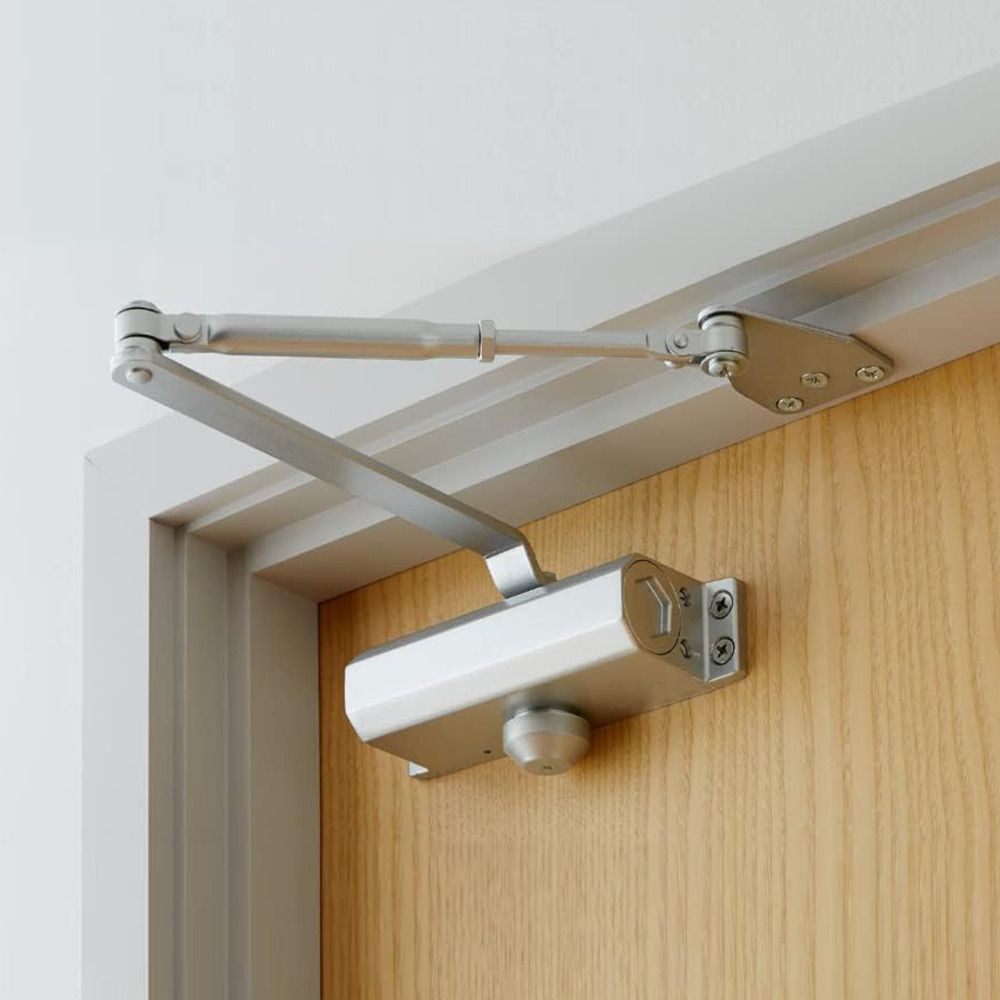
    Luxury homes today rely on more than just aesthetic appeal—every component must perform flawlessly while contributing to the overall architectural vision. One such component that often goes unnoticed but plays a critical role in design, safety, and functionality is the Door Closer. Whether installed on glass doors, wooden entrances, or concealed inside premium residential interiors, the closer has become an essential element in modern luxury living. Its refined engineering ensures silent performance, controlled movement, and increased security, making it a must-have for high-end architectural projects.

    This article explores how today’s luxury residences are using the closers for more than just basic functionality. We’ll examine how architects integrate it into premium spaces, its aesthetic implications, its role in safety compliance, and the innovative engineering behind modern designs.


    Why the Door Closer Is Becoming a Signature Feature in Luxury Homes

    Luxury interior concepts prioritize seamless movement and quiet operation. A Door Closer naturally supports both. Unlike traditional door hardware, the door Closers enables smooth, controlled, and safe door motion without disrupting the ambience or soundscape of the home. In spaces like penthouses, villas, or multi-storey modern homes, the right door slosers elevates the entire experience of using the door.

    One of the reasons architects specify high-quality closers from brands like Vegnar is reliability.

    explore premium architectural hardware solutions on the Vegnar platform


    1. Silent Performance for Luxury Living Areas

    Luxury residents expect calm, quiet, and uninterrupted comfort. A standard hinged door slamming does not fit into this environment. That is where the Door Closer becomes indispensable. Its hydraulic or spring-controlled mechanism provides slow, gentle closure, which enhances privacy and peace.

    Door Closer

    In large luxury living rooms with double-height openings, a premium door Closers ensures consistent functionality regardless of door size or weight. This controlled movement is especially important for heavy wooden doors that are common in high-end interiors.


    2. Enhancing Safety While Maintaining Aesthetic Freedom

    Safety is another key reason why architects consistently specify the door Closers. Luxury homes often feature large glass doors, balcony entrances, and heavy pivot doors. Without a reliable door Closers, these doors become safety hazards for children, elderly family members, or pets.

    Additionally, modern closers allow for fire-safety integration, meaning they automatically close in emergency conditions. This makes them essential for projects where both aesthetic and performance standards must meet high compliance levels.


    3. Hidden and Concealed Door Closers for Minimalist Designs

    Minimalist luxury designs demand hardware that invisibly supports architectural flow. Concealed floor springs, overhead concealed closers, and frameless glass door solutions are becoming the preferred choices. These options preserve the visual continuity of premium interiors while retaining the precision benefits of a Door Closer.

    High-end residential projects often use concealed models for:

    Full-height glass swing doors
    Pivot doors in hallways
    Bathroom entrances
    Private rooms requiring soft-close privacy

    In these applications, the Door Closer works discreetly behind the scenes while contributing significantly to the perceived quality of the space.


    4. Door Closers as a Statement of Engineering Luxury

    Door Closer

    Luxury residential architecture is no longer only about beauty—it is also about mechanical excellence. Modern engineering allows the Door Closer to provide adjustable closing speeds, back-check protection, hold-open options, and pressure control.

    This combination of mechanical precision and design sophistication makes the closer a symbolic element of premium craftsmanship. In high-rise private residences, where pressure variations and wind loads impact door behavior, an intelligently engineered closer ensures smooth function under all conditions.


    5. Sustainability and Longevity in Premium Residences

    Sustainable architecture is reshaping luxury design standards. A long-lasting product made from premium metals reduces replacement frequency and supports eco-friendly construction principles.

    Durable models designed for high cycles make them suitable for:

    • High-traffic villa entrances
    • Private lifts
    • Garden-facing outdoor doors
    • Rooftop lounges

    By installing a long-life door Closers, architects ensure reduced environmental impact without compromising aesthetics or comfort.


    Conclusion: A Door Closer Is No Longer Just Hardware—It Is a Luxury Design Essential

    As luxury residential projects evolve, the Door Closer is being redefined from a functional necessity to a refined architectural tool. Its silent performance, engineered strength, safety benefits, and ability to blend seamlessly into modern interiors make it one of the most strategically important components of today’s luxury home design.

    From high-end penthouses in global cities to expansive modern villas, the integration of the closers showcases thoughtful planning and superior execution. It is clear that architectural brilliance isn’t just visible—it’s also felt through the smooth, effortless operation of every door.
  • Strategic Insights: Why Architects Worldwide Prefer Continuous Aluminum Railing Systems

    Strategic Insights: Why Architects Worldwide Prefer Continuous Aluminum Railing Systems

    In modern architecture, precision, consistency, and continuity define the difference between average and exceptional design. Among the many innovations shaping the global construction industry, the Continuous System for aluminum railings has gained widespread acclaim for its performance, durability, and aesthetic coherence.

    Architects and designers across the world are embracing the continuous railing System as a superior alternative to segmented railing designs, primarily due to its structural strength, sleek appearance, and installation efficiency. In this article, we uncover the reasons why the continuous railing System has become a preferred choice in architectural projects, supported by technical insights, design advantages, and global trends.


    Understanding the Continuous System in Railing Design

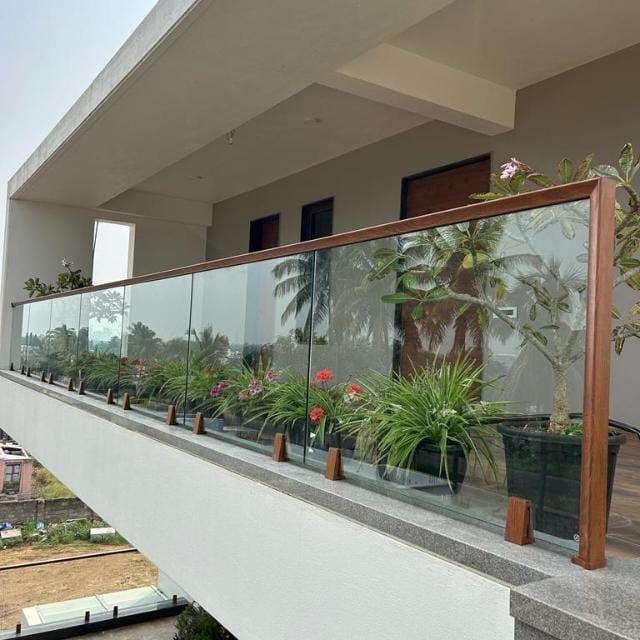
    The Continuous System refers to an uninterrupted aluminum railing design where handrails and supporting profiles are installed as single, seamless units rather than individual segmented pieces. This configuration provides a uniform appearance and ensures optimal strength distribution across the structure.

    Unlike modular railing systems that require multiple joints, the continuous railing System uses concealed connectors and streamlined fittings. This minimizes visible gaps, reduces maintenance requirements, and enhances the visual flow of architectural spaces such as balconies, terraces, and staircases.

    The result? A railing solution that exemplifies structural stability and minimalist elegance — perfectly aligning with the principles of modern architecture.


    1. Seamless Design and Visual Consistency

    Continuous System

    One of the defining qualities of the Continuous System is its ability to deliver visual continuity. Clean, uninterrupted lines are a cornerstone of contemporary design, and this system ensures that every railing section maintains harmony across the structure.

    Architects often prefer the continuous System in projects emphasizing transparency and lightness — such as glass facades, open balconies, and commercial atriums. The continuous flow of the aluminum profile enhances both aesthetics and the perception of space, creating a sophisticated architectural statement.


    2. Superior Structural Integrity and Strength

    When it comes to safety and performance, the Continuous System outperforms segmented alternatives. Because it distributes load evenly along the entire length of the railing, the system significantly reduces stress points at joints and connectors.

    • Uniform Load Distribution: The uninterrupted design ensures that force and vibration are evenly spread, minimizing the risk of failure.
    • Enhanced Durability: The absence of multiple fasteners reduces wear and tear, increasing the system’s lifespan.
    • Compliance with Global Safety Standards: The Continuous System easily meets international safety regulations for high-rise and public structures.

    In high-traffic or high-load applications — such as airports, hotels, and commercial complexes — this added strength provides long-term reliability and user confidence.


    3. Faster Installation and Low Maintenance

    Continuous System

    The Continuous System is designed with efficiency in mind. Its pre-engineered components simplify on-site installation, reducing labor time and error margins.

    Because there are fewer visible joints and fasteners, cleaning and maintenance are minimal. Architects and contractors benefit from streamlined workflows and long-term cost savings, making the Continuous System a practical and sustainable choice for modern developments.


    4. Design Flexibility for Diverse Architectural Styles

    The versatility of the Continuous System allows architects to adapt it to a variety of projects — from minimalist residential balconies to large-scale commercial façades.

    Continuous System
    Material CompatibilityWorks seamlessly with glass, stainless steel, or composite infills
    Customizable FinishesAvailable in anodized, powder-coated, or brushed finishes to suit design palettes
    Adaptable ConfigurationsWhether wall-mounted or floor-mounted, the continuous railing System integrates effortlessly with existing structures

    This adaptability has positioned the Continuous System as a preferred design element in architectural projects where creativity meets engineering precision.


    5. Sustainability and Environmental Responsibility

    Sustainability has become a global design imperative, and the continuous railing system aligns perfectly with eco-conscious construction goals. Aluminum is one of the most recyclable building materials, and continuous designs minimize waste generated from cuts, connectors, and redundant fittings.

    Furthermore, the continuous System’s longevity reduces replacement frequency, indirectly lowering carbon emissions associated with manufacturing and transportation. Many architects now specify continuous Systems in green-certified projects to meet LEED and BREEAM sustainability standards.

    According to World Green Building Council, using recyclable materials like aluminum in efficient design systems contributes significantly to global emission reduction targets.


    6. Global Demand and Market Growth

    The demand for Continuous Systems has expanded globally, driven by urbanization, architectural innovation, and increased safety regulations. In regions like the Middle East, Europe, and Asia-Pacific, developers prefer the Continuous System for high-rise and public infrastructure projects.

    With modern cities focusing on vertical growth, the continuous railing system ensures both safety and design integrity, making it a natural choice for future-forward construction practices.


    7. Cost-Efficiency and Long-Term Value

    Although the Continuous System may involve a slightly higher initial investment compared to modular railings, its benefits in durability, reduced maintenance, and installation efficiency make it a cost-effective option over time.

    • Reduced Maintenance Costs: Fewer joints and screws mean less upkeep.
    • Longevity: The Continuous System lasts decades without corrosion or visible deterioration.
    • Enhanced Aesthetics: Its seamless appearance adds long-term property value.

    Contractors and developers find this investment particularly advantageous for large-scale projects where performance consistency is critical.


    Conclusion: The Future Belongs to the Continuous System

    The Continuous System represents the perfect blend of design precision, sustainability, and structural performance — the key pillars of modern architectural excellence. Architects worldwide continue to adopt this innovation for its seamless aesthetic, engineering reliability, and alignment with sustainable construction principles.

    Whether used in a high-rise residential tower or a commercial plaza, the continuous railing System redefines the possibilities of railing design and sets a global benchmark for architectural hardware solutions.

    For further insights into architectural hardware trends and building standards, refer to ArchDaily’s Global Hardware Design Guide for expert updates and analysis.