Category: Global Insights

  • Powerful Global Market Shifts Influencing Stainless Steel Half Balustrade Selection

    Powerful Global Market Shifts Influencing Stainless Steel Half Balustrade Selection

    The global architectural industry is experiencing transformative changes influenced by design preferences, regulatory pressures, sustainability expectations, and technological advancements. Among the many railing configurations reshaping modern structures, the half Balustrades stands out as one of the most in-demand choices for architects, builders, and project developers worldwide. Combining stainless steel strength with partial glass elegance, a half Balustrade delivers a perfect blend of safety, modern aesthetics, and long-term durability.

    This blog explores the powerful market forces influencing the rising adoption of the Half Balustrade and explains why it is increasingly becoming the go-to specification in premium residential and commercial projects across the globe.


    1. Minimalist Architecture Leading Global Demand

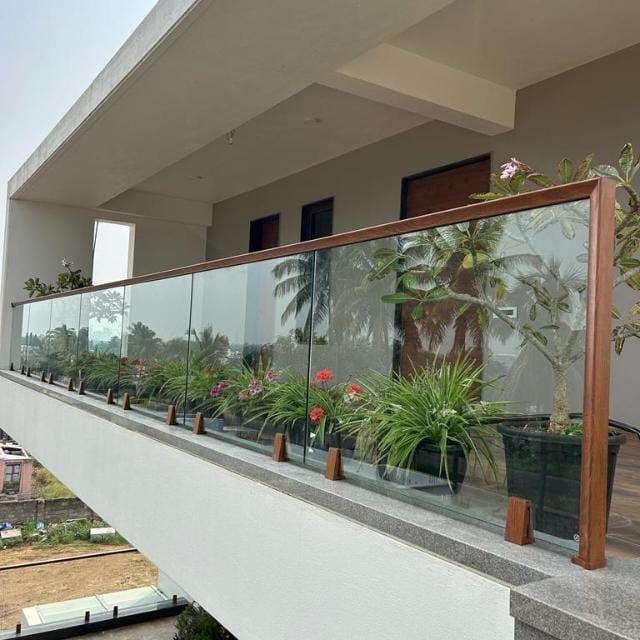
    Half Balustrade

    Modern architecture is moving toward simplicity, openness, and visual clarity. Countries like Japan, Denmark, the UAE, and Singapore strongly embrace minimalist design language—characterized by sleek materials, clean lines, and airy spaces. A Half Balustrade naturally aligns with these values.

    Its partial glass surface and slim stainless steel framing preserve open views while ensuring essential safety performance. As a result, architects designing villas, luxury apartments, and corporate interiors often prefer a Half Balustrade to enhance visual space without compromising security.


    2. Stainless Steel Durability for Extreme Weather

    Durability is one of the major global shifts shaping material choice today. Stainless steel provides exceptional corrosion resistance, making the Half Balustrade ideal for coastal, humid, or high-rainfall regions.

    Many developers now rely on SS 304 and SS 316 grades for railing structures. When paired with the Half Balustrade configuration, these grades increase structural longevity while reducing maintenance costs.

    This increased awareness of durability makes the Balustrade a preferred railing type in hotels, resorts, seafront properties, and exposed public facilities.

    3. High-Rise Construction Influencing Specification Choices

    Urbanization is accelerating at an unprecedented pace. From Mumbai to Dubai and from London to Kuala Lumpur, vertical growth is now the backbone of urban planning. High-rise construction demands railing systems that meet new safety, wind load, and design criteria.

    The Half Balustrade caters to these requirements because of its:

    • Strong stainless steel core
    • Balanced partial glazing
    • Stability in pressure zones
    • Compliance with global height and impact norms

    Developers and contractors prefer a Half Balustrade in staircases, balconies, podiums, and atrium edges because it delivers both structural safety and a contemporary look.

    For architects searching for more railing types suitable for large-scale construction, additional details are available at:
    https://www.vegnar.com/railing-systems


    4. Sustainability Becoming a Global Priority

    Environmental impact is no longer optional—it is now a defining factor in architectural design. Stainless steel is 100% recyclable, and using a Half Balustrade helps reduce the total material load when compared to full-height systems.

    The Half Balustrade supports sustainability goals by:

    • Reducing embodied energy
    • Offering long service life
    • Maximizing the use of natural light
    • Reducing long-term waste due to durability

    Because sustainability is a major USP in modern buildings, many global firms specify a Balustrade to meet both aesthetic and environmental targets.


    5. Customer Demand for Safe Yet Stylish Spaces

    Today’s property buyers want safety features that do not compromise design. A Half Balustrade strikes this balance exceptionally well. The partial glass enhances transparency, while stainless steel adds visual strength and structural confidence.

    This dual appeal makes the Balustrade one of the most favored railing choices in:

    • Hospitality projects
    • Retail interiors
    • High-end residential complexes
    • Modern office spaces

    Architects appreciate how the Half Balustrade elevates design value while meeting international safety expectations.


    6. Technology Improving Fabrication Quality

    Half Balustrade

    Advanced fabrication systems—such as CNC bending, laser cutting, TIG welding, and automated polishing—allow manufacturers to produce Half Balustrade components with greater accuracy, consistency, and finishing precision.

    This technological progress enables:

    Faster project execution
    Higher customization possibilities
    Superior surface finishing
    More reliable structural performance

    Because of these advancements, architects across continents now trust the Half Balustrade for high-performance projects.


    7. Global Compliance Standards Driving Safer Choices

    Safety codes such as BS 6180, IBC standards, and Eurocode regulations influence railing design decisions worldwide. A Half Balustrade satisfies these stringent benchmarks due to its superior stability and balanced combination of steel and glass.

    Meeting such regulations is essential for developers exporting railing systems or working across different countries. That is why the Half Balustrade is widely recommended for international construction projects.


    Conclusion

    As global market dynamics change, architects and designers are moving toward solutions that blend innovation, safety, sustainability, and long-term value. The Half Balustrade represents this new-era balance, making it one of the fastest-growing railing solutions worldwide.

    From durability and design flexibility to compliance and environmental benefits, the Half Balustrade continues to shape the future of railing specifications in modern architecture.

  • Powerful Global Factors Making 40x40mm Aluminum Handrails the Preferred Choice for Architects

    Powerful Global Factors Making 40x40mm Aluminum Handrails the Preferred Choice for Architects

    In modern architecture, precision, aesthetics, and sustainability define every design decision — especially when it comes to railing systems. Among the numerous hardware options available, the 40x40mm Handrail has become the preferred choice for architects and designers across the globe. Combining minimalistic style with unmatched functionality, these aluminum handrails are revolutionizing how buildings achieve both safety and visual appeal.

    In this blog, we’ll explore the five global factors driving the widespread adoption of the 40x40mm Handrail, its advantages in structural and design contexts, and how it supports the future of eco-friendly construction worldwide.


    1. Modern Architectural Aesthetics and Design Versatility

    The first and most compelling reason behind the rise of the 40x40mm Handrail lies in its sleek and contemporary design. Architects favor this handrail system for its ability to blend effortlessly into both residential and commercial environments. The clean lines of the 40x40mm Handrail complement modern glass facades, open balconies, and minimalist staircases.

    Available in brushed, matte, or powder-coated finishes, aluminum handrails allow designers to achieve aesthetic flexibility. Whether it’s a luxury apartment, corporate building, or public infrastructure project, the 40x40mm Handrail offers timeless elegance that enhances architectural intent without overpowering the space.


    2. Strength and Structural Integrity

    Despite its lightweight profile, the 40x40mm Handrail delivers exceptional structural strength. Manufactured from high-grade aluminum alloys, these handrails are engineered to endure environmental stress, high traffic, and long-term wear. Aluminum’s high tensile strength ensures the railing maintains its rigidity and safety even after years of use.


    3. Sustainability and Eco-Friendly Benefits

    40x40mm Handrail

    Sustainability is no longer a design trend — it’s a necessity. The 40x40mm Handrail contributes directly to eco-conscious building practices. Aluminum is 100% recyclable and retains its mechanical properties even after repeated use, making it one of the most sustainable materials in architectural hardware.

    For projects seeking LEED certification or other green building credentials, using a 40x40mm Handrail supports environmental goals by minimizing carbon emissions during production and installation. Compared to stainless steel, aluminum railings consume significantly less energy during fabrication, making them an eco-smart alternative for modern projects worldwide.


    4. Cost-Effectiveness and Low Maintenance

    Another key factor driving the global demand for the 40x40mm Handrail is its cost efficiency. Unlike traditional railing systems that require regular polishing or painting, aluminum handrails resist corrosion naturally. Their low-maintenance nature saves both time and money for property owners and facility managers.

    Even in coastal or humid climates, where steel railings may corrode, the 40x40mm Handrail maintains its integrity and appearance with minimal upkeep. A simple periodic cleaning with mild soap and water keeps the system looking new — a feature that architects and contractors appreciate in large-scale or public projects.


    5. Easy Installation and Global Adaptability

    Ease of installation is another reason why the 40x40mm Handrail is becoming a global standard. With modular designs and pre-engineered components, installation requires minimal labor and tools. This reduces project timelines and allows for faster handovers — a critical advantage in commercial developments and export projects.

    Furthermore, the adaptability of the 40x40mm Handrail allows it to be integrated with various materials, including glass, stainless steel spigots, and wall-mounted brackets. Its universal appeal across climates and regions — from the Middle East to Europe and Asia-Pacific — demonstrates its global suitability in modern architectural practices.


    The worldwide demand for 40x40mm Handrail systems has surged due to the rapid growth of urban infrastructure and commercial real estate. According to industry forecasts, the aluminum railing market is projected to grow by over 6.5% CAGR through 2028, fueled by innovations in modular systems and the emphasis on green construction.

    Architects are also increasingly opting for customized railing profiles that meet project-specific needs. This includes variations in thickness, finishes, and integration with glass panels for frameless aesthetics. The 40x40mm Handrail, with its balanced ratio of form and strength, fits seamlessly into these evolving trends.

    Compliance and Export Readiness

    For global exporters and hardware suppliers, compliance with international standards such as EN 1090 or ASTM B221 is essential. The 40x40mm Handrail is typically designed to meet these certifications, ensuring safety, performance, and compatibility in multiple markets.

    Companies like Vegnar Architectural Hardware play a key role in this export evolution by providing high-quality, certified aluminum railing systems trusted by architects and contractors worldwide. Vegnar’s innovative product lines reflect a commitment to excellence in design and performance, reinforcing why the 40x40mm Handrail continues to set global benchmarks.


    Final Thoughts: Redefining Global Design Standards

    The 40x40mm Handrail has proven to be far more than a structural component — it is a symbol of precision engineering and sustainable innovation. Its global popularity reflects the architectural industry’s shift toward materials that deliver performance, style, and environmental responsibility.

    From luxury residential towers to public infrastructure, the 40x40mm Handrail continues to inspire modern design while setting the gold standard for durability and adaptability. As architectural trends evolve, it remains a cornerstone of design excellence that blends aesthetics with functionality.

  • Strategic Insights: Why Architects Worldwide Prefer Continuous Aluminum Railing Systems

    Strategic Insights: Why Architects Worldwide Prefer Continuous Aluminum Railing Systems

    In modern architecture, precision, consistency, and continuity define the difference between average and exceptional design. Among the many innovations shaping the global construction industry, the Continuous System for aluminum railings has gained widespread acclaim for its performance, durability, and aesthetic coherence.

    Architects and designers across the world are embracing the continuous railing System as a superior alternative to segmented railing designs, primarily due to its structural strength, sleek appearance, and installation efficiency. In this article, we uncover the reasons why the continuous railing System has become a preferred choice in architectural projects, supported by technical insights, design advantages, and global trends.


    Understanding the Continuous System in Railing Design

    The Continuous System refers to an uninterrupted aluminum railing design where handrails and supporting profiles are installed as single, seamless units rather than individual segmented pieces. This configuration provides a uniform appearance and ensures optimal strength distribution across the structure.

    Unlike modular railing systems that require multiple joints, the continuous railing System uses concealed connectors and streamlined fittings. This minimizes visible gaps, reduces maintenance requirements, and enhances the visual flow of architectural spaces such as balconies, terraces, and staircases.

    The result? A railing solution that exemplifies structural stability and minimalist elegance — perfectly aligning with the principles of modern architecture.


    1. Seamless Design and Visual Consistency

    Continuous System

    One of the defining qualities of the Continuous System is its ability to deliver visual continuity. Clean, uninterrupted lines are a cornerstone of contemporary design, and this system ensures that every railing section maintains harmony across the structure.

    Architects often prefer the continuous System in projects emphasizing transparency and lightness — such as glass facades, open balconies, and commercial atriums. The continuous flow of the aluminum profile enhances both aesthetics and the perception of space, creating a sophisticated architectural statement.


    2. Superior Structural Integrity and Strength

    When it comes to safety and performance, the Continuous System outperforms segmented alternatives. Because it distributes load evenly along the entire length of the railing, the system significantly reduces stress points at joints and connectors.

    • Uniform Load Distribution: The uninterrupted design ensures that force and vibration are evenly spread, minimizing the risk of failure.
    • Enhanced Durability: The absence of multiple fasteners reduces wear and tear, increasing the system’s lifespan.
    • Compliance with Global Safety Standards: The Continuous System easily meets international safety regulations for high-rise and public structures.

    In high-traffic or high-load applications — such as airports, hotels, and commercial complexes — this added strength provides long-term reliability and user confidence.


    3. Faster Installation and Low Maintenance

    Continuous System

    The Continuous System is designed with efficiency in mind. Its pre-engineered components simplify on-site installation, reducing labor time and error margins.

    Because there are fewer visible joints and fasteners, cleaning and maintenance are minimal. Architects and contractors benefit from streamlined workflows and long-term cost savings, making the Continuous System a practical and sustainable choice for modern developments.


    4. Design Flexibility for Diverse Architectural Styles

    The versatility of the Continuous System allows architects to adapt it to a variety of projects — from minimalist residential balconies to large-scale commercial façades.

    Continuous System
    Material CompatibilityWorks seamlessly with glass, stainless steel, or composite infills
    Customizable FinishesAvailable in anodized, powder-coated, or brushed finishes to suit design palettes
    Adaptable ConfigurationsWhether wall-mounted or floor-mounted, the continuous railing System integrates effortlessly with existing structures

    This adaptability has positioned the Continuous System as a preferred design element in architectural projects where creativity meets engineering precision.


    5. Sustainability and Environmental Responsibility

    Sustainability has become a global design imperative, and the continuous railing system aligns perfectly with eco-conscious construction goals. Aluminum is one of the most recyclable building materials, and continuous designs minimize waste generated from cuts, connectors, and redundant fittings.

    Furthermore, the continuous System’s longevity reduces replacement frequency, indirectly lowering carbon emissions associated with manufacturing and transportation. Many architects now specify continuous Systems in green-certified projects to meet LEED and BREEAM sustainability standards.

    According to World Green Building Council, using recyclable materials like aluminum in efficient design systems contributes significantly to global emission reduction targets.


    6. Global Demand and Market Growth

    The demand for Continuous Systems has expanded globally, driven by urbanization, architectural innovation, and increased safety regulations. In regions like the Middle East, Europe, and Asia-Pacific, developers prefer the Continuous System for high-rise and public infrastructure projects.

    With modern cities focusing on vertical growth, the continuous railing system ensures both safety and design integrity, making it a natural choice for future-forward construction practices.


    7. Cost-Efficiency and Long-Term Value

    Although the Continuous System may involve a slightly higher initial investment compared to modular railings, its benefits in durability, reduced maintenance, and installation efficiency make it a cost-effective option over time.

    • Reduced Maintenance Costs: Fewer joints and screws mean less upkeep.
    • Longevity: The Continuous System lasts decades without corrosion or visible deterioration.
    • Enhanced Aesthetics: Its seamless appearance adds long-term property value.

    Contractors and developers find this investment particularly advantageous for large-scale projects where performance consistency is critical.


    Conclusion: The Future Belongs to the Continuous System

    The Continuous System represents the perfect blend of design precision, sustainability, and structural performance — the key pillars of modern architectural excellence. Architects worldwide continue to adopt this innovation for its seamless aesthetic, engineering reliability, and alignment with sustainable construction principles.

    Whether used in a high-rise residential tower or a commercial plaza, the continuous railing System redefines the possibilities of railing design and sets a global benchmark for architectural hardware solutions.

    For further insights into architectural hardware trends and building standards, refer to ArchDaily’s Global Hardware Design Guide for expert updates and analysis.

  • 5 Powerful Material Insights: Why Aluminum Outperforms Steel in Global Railing Systems

    5 Powerful Material Insights: Why Aluminum Outperforms Steel in Global Railing Systems

    In the ever-evolving world of architectural hardware, the demand for lightweight, durable, and visually appealing materials has grown exponentially. Among them, Aluminum Railings system have emerged as a dominant choice, outperforming traditional steel in both performance and sustainability.

    From residential balconies to commercial facades and public infrastructure, Aluminum Railings offers unmatched benefits in strength, aesthetics, and environmental impact. This article explores the five key material insights that explain why Aluminum Railings are setting new standards across global railing systems.


    1. Lightweight Strength with Unmatched Durability

    The first major advantage of Railings systems is their unique balance between weight and strength. Aluminum is nearly one-third the weight of steel, yet its structural integrity remains impressive.

    • Ease of Installation: Because Railings components are lighter, they are easier to handle, transport, and install—reducing labor time and costs.
    • Corrosion Resistance: Unlike steel, which requires galvanization or powder coating to resist rust, aluminum naturally forms a protective oxide layer, ensuring longevity in coastal and humid environments.
    • Versatile Use: From marine railings to urban rooftops, Aluminum Railings provides dependable durability without the maintenance challenges of steel.

    This superior strength-to-weight ratio makes Railings a preferred solution for projects that demand long-lasting performance with minimal upkeep.


    2. Exceptional Design Flexibility and Aesthetic Appeal in Aluminum Railings

    Architects and designers value Railings for its modern look and limitless design potential.

    • Custom Profiles and Finishes: Aluminum can be easily extruded into various profiles, allowing intricate designs that are difficult to achieve with steel.
    • Finish Options: Brushed, anodized, or powder-coated finishes offer both aesthetic diversity and added surface protection.
    • Minimalist Appeal: The slim, clean lines of railing complement contemporary architecture, blending seamlessly with glass, wood, or composite materials.

    As design preferences shift toward sleek and sustainable architecture, Aluminum Railings stand as a symbol of modern sophistication.


    3. Superior Corrosion Resistance and Low Maintenance in terms of Aluminum Railing

    Aluminum Railing

    One of the biggest challenges with steel railings is the ongoing battle against corrosion. Railings, however, naturally resists rust and oxidation—even in harsh environments.

    • Coastal & Outdoor Applications: Aluminum Railings are ideal for waterfront properties and outdoor decks where humidity and salt exposure are common.
    • No Need for Repainting: Unlike steel, which often requires periodic repainting, aluminum retains its finish for years with minimal maintenance.
    • Ease of Cleaning: Routine cleaning with mild soap and water keeps Aluminum Railings looking new, eliminating the need for harsh chemicals.

    This long-term reliability contributes to lower lifecycle costs and enhanced sustainability—two key priorities in modern construction.


    4. Aluminum Railing – Sustainability and Eco-Friendly Manufacturing

    In today’s environmentally conscious construction landscape, sustainability is non-negotiable. Railings excel in this domain.

    • 100% Recyclable: Aluminum can be recycled repeatedly without losing its strength or quality, reducing energy consumption and waste.
    • Reduced Carbon Footprint: Manufacturing Aluminum Railings requires significantly less energy than producing steel.
    • Sustainable Certification: Many green building standards, including LEED, recognize railings for its contribution to sustainable design.

    According to a report by the World Aluminum Organization, over 75% of all aluminum ever produced is still in use today, making it one of the most sustainable materials available.


    5. Cost-Effectiveness and Global Adoption

    While initial costs for Aluminum Railings can be similar to steel, its long-term value far exceeds alternatives.

    • Reduced Installation Costs: Lightweight materials mean lower labor and transportation expenses.
    • Minimal Maintenance: With fewer repairs and no rust treatment required, total ownership costs remain low.
    • Growing Global Demand: From North America to Asia-Pacific, builders are shifting toward Aluminum Railings for both residential and commercial applications.

    This worldwide adoption underscores how Aluminum Railings have become a preferred solution for modern, cost-efficient construction.


    Opportunities and Innovations in Aluminum Railing Systems

    Aluminum Railing

    The future of Railings are defined by innovation. Advancements in powder coating, modular assembly, and integrated lighting have expanded design possibilities even further. As architects continue to prioritize sustainability and aesthetics, Aluminum Railings system will remain at the forefront of architectural hardware solutions.

    At Vegnar Architectural Hardware, we offer a diverse portfolio of Railings system designed for contemporary spaces. Explore our range at the Vegnar Product Portfolio to find railing systems that align with your design and sustainability goals.

    Conclusion: The Future is Bright with Aluminum Railing

    As the architectural landscape evolves, one fact remains clear: Railings system represent the future of railing innovation. By combining lightweight strength, eco-friendliness, and aesthetic adaptability, they outperform steel in nearly every category.

    Whether for high-rise balconies, commercial staircases, or outdoor decks, Aluminum Railings deliver the ideal blend of form, function, and future readiness. Choosing aluminum isn’t just a design decision—it’s a commitment to long-term value and environmental responsibility.

  • Future-Proofing Architecture: Embracing Futuristic Hardware Trends Shaping Buildings Worldwide

    Future-Proofing Architecture: Embracing Futuristic Hardware Trends Shaping Buildings Worldwide

    Introduction

    Architecture today is not only about building strong structures but also about creating smarter, sustainable, and visually compelling spaces. With rapid technological innovations and evolving lifestyles, architects and designers are turning to Futuristic Hardware Trends to enhance the performance, efficiency, and beauty of modern buildings. From sustainable materials to advanced glass fitting solutions like the Glass Sliding Systems, the future of architecture lies in hardware that blends durability with innovation.

    In this article, we explore the key Futuristic Hardware Trends shaping residential, commercial, and urban spaces across the globe and why these innovations are vital for future-ready construction.


    The built environment is changing. Cities are becoming smarter, energy efficiency is a global priority, and buildings must adapt to new demands. Here’s why hardware plays such a critical role:

    • Longevity: Durable hardware ensures buildings stand the test of time.
    • Innovation: Smart systems like automated doors and Glass Sliding Systems redefine convenience.
    • Sustainability: Eco-friendly hardware reduces carbon footprints.
    • Design Freedom: Cutting-edge hardware gives architects the flexibility to innovate.

    By aligning with Futuristic Hardware Trends, builders can create spaces that not only look modern today but remain functional and appealing for decades to come.


    1. Advanced Glass Solutions: Rise of the Glass Sliding Systems

    One of the most impactful innovations in modern hardware is the Glass Sliding System. Unlike conventional door setups, sliding and folding systems offer space optimization, maximum light flow, and a sleek aesthetic appeal.

    • Residential Use: From wardrobes to balconies, Glass Sliding Systems bring sophistication and functionality to homes.
    • Commercial Spaces: Offices and retail environments use them for partitions and entrances that combine elegance with durability.
    • Sustainability: By maximizing natural light, Glass Sliding Systems contribute to eco-friendly and energy-efficient spaces.

    This makes them a cornerstone of Futuristic Hardware Trends worldwide.


    2. Smart Automation in Hardware

    Technology-driven architectural hardware is becoming a necessity. From automatic door closers to intelligent security systems, automation enhances both safety and convenience. The integration of IoT-enabled hardware is one of the most influential Futuristic Hardware Trends of the decade.


    3. Sustainable & Eco-Friendly Hardware

    As green architecture gains momentum, sustainable hardware solutions—such as stainless steel with recycled content or aluminum with eco-friendly coatings—are rising in demand. These materials reduce environmental impact while maintaining strength and aesthetics.


    4. Minimalist Design Hardware

    Simplicity is the new luxury. Minimalist, sleek handles, hinges, and fittings are trending in both residential and commercial projects. Their understated elegance aligns with the global movement towards decluttered and modern interiors.


    5. Durable & Resilient Materials

    With climate change and global urbanization, resilience is key. Hardware that can withstand humidity, extreme temperatures, or heavy usage is being prioritized. Stainless steel, anodized aluminum, and tempered glass hardware are central to Futuristic Hardware Trends.


    Expert Insights: What Architects Look For

    According to industry experts, three main aspects guide architectural hardware choices today:

    • Functionality – ensuring smooth, practical usage.
    • Design Aesthetics – complementing modern architecture with elegance.
    • Sustainability – focusing on hardware that reduces energy usage and lasts longer.

    The Glass Sliding System exemplifies these qualities, combining durability, modern design, and eco-efficiency.


    • Residential Buildings: Glass partitions, sliding doors, and modular fittings.
    • Commercial Workspaces: Smart locks, automated access, and sliding systems for flexible layouts.
    • Hospitality Sector: Luxury hotels are using glass sliding systems, minimalist handles, and eco-friendly finishes for premium guest experiences.
    • Urban Infrastructure: Smart, resilient, and sustainable hardware integrated into large-scale projects.

    Installation & Maintenance of Modern Systems

    Futuristic Hardware Trends
    • Professional installation is vital for advanced hardware like the Glass Sliding System to ensure safety and alignment.
    • Regular cleaning and track maintenance keep sliding systems smooth.
    • Eco-friendly cleaning solutions extend the life of hardware and align with sustainability goals.

    To understand how global architectural innovations are evolving, read more at World Architecture Community.


    The future of architecture is here, and it is being shaped by cutting-edge, sustainable, and smart hardware solutions. From Glass Sliding Systems that optimize light and space to automated and eco-friendly fittings, the role of Futuristic Hardware Trends cannot be underestimated.

    By adopting these innovative solutions, architects, designers, and homeowners can future-proof their spaces—creating buildings that are stylish, sustainable, and resilient for generations to come.

  • Trusted Glass Fitting Hardware for High-Traffic Zones: Built for Performance & Longevity

    Trusted Glass Fitting Hardware for High-Traffic Zones: Built for Performance & Longevity

    In the demanding world of public architecture, durability and performance are not negotiable. Whether it’s a bustling airport terminal, a high-end shopping mall, or a luxury hotel lobby, the hardware used behind the scenes must be engineered to endure constant usage without compromising safety or aesthetics.

    At Vegnar, a trusted Exporter in India of premium Glass Fitting Hardware, we focus on performance-tested solutions that meet the specific challenges of High Traffic Zones. This article explores how components like floor springs, pivots, and glass connectors are designed to deliver maximum durability and safety in such environments.


    Why Glass Fitting Hardware Matters in High-Traffic Zones

    Modern architecture increasingly favours glass for openness, visibility, and contemporary design. But in High Traffic Zones, the mechanical systems that support and guide glass panels face repetitive motion, weight load, foot traffic, and safety requirements far beyond those in residential or light-use spaces.

    Glass Fitting Hardware in such settings isn’t just aesthetic; it’s mission-critical. It ensures:

    • Safe and smooth movement of heavy glass doors
    • Proper alignment and load management
    • Long-term performance with minimal maintenance
    • Seamless integration with access control and automation systems

    Key Components of Durable Glass Fitting Systems

    1. Floor Springs for Heavy-Duty Door Control

    Floor springs are hydraulic mechanisms embedded in the floor to control the swing and self-closing of glass doors. In High Traffic Zones, they must be:

    • Load-bearing, capable of supporting glass doors up to 150–300 kg
    • Adjustable, to fine-tune closing speed and latch tension
    • Tested, to operate thousands of cycles daily without oil leakage or failure

    At Vegnar, our floor springs are engineered with precision CNC technology and feature SS 304 or SS 316 casings to enhance corrosion resistance — ideal for export to coastal or humid regions.

    🔗 See Heavy-Duty Floor Springs in Action


    2. Top and Bottom Pivots: Smooth Motion, Secure Hold

    Pivots are unsung heroes in frameless glass door systems. In high-traffic environments like airports, retail entries, or lobby entrances, top and bottom pivots allow controlled door rotation without stress on the glass edges.

    Vegnar Glass Fitting Hardware pivots come with:

    • High-tensile SS 304/SS 316 construction
    • Maintenance-free bearings
    • Compatibility with toughened glass from 10mm to 15mm

    Their role is crucial in maintaining alignment, door balance, and safety under repetitive movement.


    3. Glass Connectors & Patch Fittings: Stability Meets Aesthetics

    For glass walls, partitions, and entrances, connectors and patch fittings ensure the panels are held securely without frames. In High Traffic Zones, they must resist:

    • Constant vibration and impact
    • Misalignment from heavy usage
    • Environmental exposure

    Vegnar’s patch fittings include corner connectors, L-connectors, T-connectors, and more — all precisely machined for flush installation and seamless glass transitions.

    🔗 Explore Glass Patch Fitting Types


    Export-Ready Hardware: Vegnar’s Global Capabilities

    As a leading Exporter in India, Vegnar provides Glass Fitting Hardware solutions that meet global quality standards — including EN, ISO, and ANSI certifications. Our commitment to:

    • Marine-grade SS 316 fittings
    • OEM and custom labelling
    • Export packaging for high-volume orders

    makes us a preferred partner for distributors, contractors, and developers across the Middle East, Africa, and Southeast Asia.

    🔘 Get in Touch for Export Collaboration


    Applications in Real-World High-Traffic Zones

    Our hardware is currently in use across:

    Application SectorTypical Use Areas
    International AirportsEntry/Exit Vestibules, Lounges
    Luxury HotelsConference Areas, Pool Decks, Lobby Entrances
    Retail ComplexesMall Entries, Showroom Partitions, Escalator Access Points

    These areas see tens of thousands of people daily, proving the resilience of Vegnar Glass Fitting Hardware in real-time conditions.


    Why Choose Vegnar for High-Traffic Hardware Solutions?

    At Vegnar, we understand the unique demands of High Traffic Zones. Our hardware is not only strong but also elegant — ensuring your architectural spaces retain their premium aesthetics without compromising on safety.

    As a trusted Hardware Exporter in India, our strength lies in:

    • Technically superior product designs
    • Rapid fulfilment for export orders
    • Global network of partners and distributors
    • In-house R&D and quality assurance systems

    🔘 Browse Vegnar’s Glass Hardware Range


    Conclusion: Engineered for Impact. Built to Last.

    Choosing the right Glass Fitting Hardware can define the long-term success of high-traffic infrastructure projects. With Vegnar, you’re not only investing in durable fittings but also in expertise, service, and international export readiness.

    If you’re sourcing architectural hardware for large-scale public or commercial projects, trust Vegnar — the Exporter in India that delivers durability, design, and dependability.

  • Emerging Trends in Architectural Hardware field of Middle East: Insights from Dubai, Qatar & GCC Projects

    Emerging Trends in Architectural Hardware field of Middle East: Insights from Dubai, Qatar & GCC Projects

    The Middle East trends continues to set global benchmarks in urban design, luxury real estate, and smart city planning. As landmark projects rise across Dubai, Doha, Riyadh, and Abu Dhabi, the demand for high-quality, durable, and design-forward architectural hardware is increasing at a rapid pace.

    This article explores the evolving preferences in materials, finishes, and hardware systems that are shaping commercial and luxury developments in the region, with insights valuable for developers, architects, and specifiers sourcing products globally.

    Market Overview: Design Meets Durability

    Architectural hardware in the Middle East must balance cutting-edge aesthetics with performance in extreme climates. High humidity, salt exposure, and heat levels make material selection and finishing crucial in both exterior and interior applications.

    Key influencers driving demand:

    1. Design trends focused on minimalism, contrast finishes, and durability
    2. Continued growth in luxury hospitality and mixed-use developments
    3. Increased investment in smart infrastructure (e.g., NEOM, Expo City, Lusail)
    4. Regional regulations enforcing safety and accessibility standards

    Preferred Materials in Modern Middle Eastern Construction

    Stainless Steel (SS316 & SS316L)

    • Marine-grade stainless steel remains the top choice due to its corrosion resistance and longevity in humid and coastal conditions.
    • Commonly used in railing systems, door hardware, glass fixings, and façade elements.
    • Finishes such as satin, mirror polish, and PVD-coated colors are widely specified.

    Aluminum

    • Lightweight and cost-effective, aluminum is frequently chosen for handrails, curtain walls, and modular hardware systems.
    • Ideal for public infrastructure, stadiums, and high-rise commercial towers.
    • Finishing options include anodizing, powder coating, and wood-grain effects.

    Brass and Bronze

    • Though more niche, these materials are specified in palaces, luxury villas, and heritage restorations.
    • Often seen in custom-made handles, knobs, latches, and decorative fittings.

    Hardware Systems in High Demand

    Product CategoryUse Cases
    Stainless Steel Railing SystemsBalconies, staircases, pool perimeters
    Glass Spider & Patch FittingsCommercial façades, glass partitions
    Concealed Hinges and Pivot SystemsLuxury doors, villas, and interior renovations
    Modular Aluminum HandrailsWalkways, metro stations, public access areas
    Door Hardware (PVD)Hotels, premium apartments, retail projects

    Popular Finishes in Commercial and Luxury Projects

    The finishes of architectural hardware significantly impacts both aesthetics and lifespan. The following are currently in high demand across the GCC:

    Trends in the Middle East: Insights from Dubai, Qatar & GCC Projects
    • PVD Coated Gold / Rose Gold: Widely used in five-star hotels, luxury apartments, and upscale retail interiors.
    • Matte Black / Bronze Finish: Ideal for contemporary villas and corporate offices, offering a clean, high-contrast appearance.
    • Brushed Stainless Steel (Satin Finish): Common in commercial applications including malls, hospitals, airports, and educational buildings.
    • Antique Brass / Vintage Bronze: Applied in traditional and boutique designs where classic appeal is desired.

    – Check out the Luxury & Real estate Trends Across the GCC below:

    Regional Applications and Standards

    Middle Eastern construction projects place a strong emphasis on international code compliance and long-term performance. Most architectural hardware must meet or exceed:

    • ISO and BS standards
    • ADA (for accessibility and public safety)
    • Project-specific fire, seismic, and corrosion testing

    Project types include:

    • High-rise towers and corporate headquarters
    • Hospitality and resort properties
    • Transportation infrastructure (airports, metros)
    • Government buildings and embassies
    • Residential gated communities and luxury estates

    Insights for Exporters and Specifiers

    To succeed in supplying architectural hardware to the Middle East market, manufacturers must:

    • Ensure packaging is export-ready and compliant with regional import norms
    • Offer SS316-grade or equivalent materials
    • Provide custom finishes including black, bronze, and gold tones
    • Maintain large-scale inventory or short lead times
    • Supply project-specific documentation such as CAD files, load testing data, and finish certifications

    Vegnar’s Commitment to Middle Eastern Projects

    At Vegnar Architectural Hardware, we understand the specifications, performance requirements, and design expectations of the GCC region. Our product range includes:

    • Stainless steel railing systems (SS316 & SS304)
    • PVD-coated glass hardware
    • Modular aluminum handrails
    • High-load spider fittings
    • Concealed hinges and door closers

    We supply to contractors, developers, and project specifiers across the UAE, Qatar, Saudi Arabia, Oman, and beyond.

    Request a catalogue or consultation at: Vegnar Architectural Hardware or Email us on: sales@vegnar.com

  • Export Trends and Growth Opportunities of Architectural Hardware in UK

    Export Trends and Growth Opportunities of Architectural Hardware in UK

    The Architectural Hardware in UK is experiencing a dynamic surge, positioning itself as a key player in global exports. From door handles and locks to hinges and fittings, the UK’s architectural hardware sector is gaining traction due to rising international demand, innovative designs, and a strong manufacturing base. This article explores the latest trends, expert insights, and opportunities shaping the Architectural Hardware in UK, offering valuable guidance for businesses looking to expand overseas.

    Why the Architectural Hardware Market in UK is Booming

    The Architectural Hardware in UK is thriving thanks to several key drivers fueling its growth and export potential.

    • Robust Construction Growth

    The UK construction industry, a backbone of the Architectural Hardware in UK, saw a 5.5% increase in output in 2024, driven by residential and commercial projects. “The demand for high-quality hardware components is rising as new housing developments and office refurbishments take center stage.” This growth directly boosts export opportunities for UK manufacturers.

    • Innovation in Smart Hardware

    Smart technology is transforming the Architectural Hardware in UK. With over 4.3 million smart window hardware units sold in 2023 across Europe, the UK is at the forefront. “Digital locks and automated systems are gaining popularity, enhancing security and appealing to global markets.”

    • Sustainability Focus

    Sustainability is a major trend in the Architectural Hardware in UK. “Over 68% of hardware production now uses recyclable materials like stainless steel, aligning with global green building standards.” This eco-friendly approach strengthens the UK’s position in exporting to environmentally conscious regions.

    Key Trends in the Architectural Hardware Market in UK

    1. Smart Technology Adoption: The UK exported 12% more smart locks in 2024, catering to the growing demand for IoT-enabled solutions in Europe and beyond.
    2. Aesthetic Designs: Minimalist and customizable hardware designs are in demand, with UK manufacturers leading in stylish finishes like brushed nickel and matte textures.
    3. Export to Europe: The UK shipped 89 million hardware components to Europe in 2023, solidifying its role as a key exporter in the Architectural Hardware Market in UK.

    Expert Tips for Succeeding in the Architectural Hardware Market in UK

    Architectural Hardware in UK
    1. Meet International Standards: “Compliance with EU and US safety regulations is essential for seamless exports.” Certifications like FD30/60 fire door standards can open doors to new markets.

    2. Focus on Quality: Investing in durable, high-grade materials ensures a competitive edge.

    Architectural Hardware in UK
    Architectural Hardware in UK

    3. Target Emerging Markets: The Middle East and Asia-Pacific offer growth potential due to infrastructure projects, pointing to lucrative export destinations.

    4. Build Partnerships: Collaborating with local distributors abroad can streamline export logistics, a key strategy for expanding the Architectural Hardware in UK reach.

    Architectural Hardware in UK

    Opportunities and Challenges in the Architectural Hardware Market in UK

    Opportunities

    • Infrastructure Projects: The UK’s export of hardware for airport and resort developments in the Middle East reached $19 million in 2023.
    • Retrofit Demand: With 14% growth in residential hardware replacements, the retrofit market presents a strong export niche.
    • Green Technology: The shift to energy-efficient hardware opens doors to eco-conscious markets like Germany and Scandinavia.

    Challenges to Overcome

    • Raw Material Costs: Rising prices of steel and aluminum can impact profit margins in the Architectural Hardware Market in UK.
    • Competition: With over 803 major companies, standing out with unique designs is crucial.
    • Trade Barriers: Post-Brexit regulations and tariffs require careful navigation for exports.

    Conclusion: Unlock the Potential of Architectural Hardware Market in UK

    The Architectural Hardware Market in UK is poised for growth, with a projected value of £8.9 billion by 2029, driven by construction demand and export opportunities.

    From smart technology to sustainable solutions, the UK is well-positioned to meet global needs. Whether targeting Europe’s aesthetic markets or the Middle East’s infrastructure boom, now is the time to explore this thriving sector.

    For more insights, stay updated on products of Vegnar or email to sales@vegnar.com for maximize your market potential.

  • Architectural Hardware’s Export Overseas: Trends and Opportunities for Global Growth

    Architectural Hardware’s Export Overseas: Trends and Opportunities for Global Growth

    Exploring the Booming World of Architectural Hardware Exports

    The global market for architectural hardware’s exports is thriving, offering exciting opportunities for manufacturers and businesses worldwide. With increasing demand for high-quality door handles, locks, hinges, and other hardware components, exporting architectural hardware overseas has become a key growth driver. This article dives into the latest trends, expert insights, and opportunities shaping the architectural hardware export landscape, helping you stay ahead in this dynamic industry.

    Why Architectural Hardware Exports Are on the Rise

    1. Growing Construction Boom Worldwide:
      Rapid urbanization and infrastructure development are boosting demand for architectural hardware’s exports. “The global construction sector utilized over 1.3 billion square meters of new floor area in 2023, driving the need for premium hardware components,” says Priyanka Khandelwal. Countries like India, China, and the Middle East are leading the charge with mega-projects, creating a robust market for exporters.
    2. Demand for Sustainable and Smart Solutions:
      Sustainability is a game-changer in the architectural hardware’s export market. “Recyclable stainless steel and aluminum now account for 68% of hardware manufacturing, reflecting a global shift toward eco-friendly designs”. Additionally, the rise in smart home technology, with over 18 million sensor-based locks shipped in 2023, is opening new export avenues.
    3. Economic Growth in Emerging Markets:
      Emerging economies are fueling the architectural hardware’s export boom. “Increased investment in luxury resorts and commercial buildings in the UAE and Saudi Arabia led to a 17.3% spike in premium hardware demand in 2023,”. This trend underscores the potential for exporters targeting high-growth regions.

    Key Trends in Architectural Hardware Exports

    Staying updated on trends is crucial for success in architectural hardware exports. Here are the top developments shaping the market:

    Architectural Hardware's Export

    Asia-Pacific Dominance Asia-Pacific leads with over 42% of global hardware production, exporting 89 million components to Europe and the Middle East in 2023.

    Smart Technology Integration
    The demand for digital locks and automated systems is rising, with Europe seeing a 12.3% increase in smart window hardware sales.

    Architectural Hardware's Export
    Architectural Hardware's Export

    Anti-Microbial Innovations
    Post-pandemic, anti-microbial coated handles saw a 19.2% year-over-year growth, a trend exporters can capitalize on for health-focused markets.

    Challenges to Navigate

    • Raw Material Costs: Rising prices of steel and aluminum can impact profit margins for architectural hardware’s exports.
    • Trade Barriers: Tariffs and varying regulations may pose hurdles, requiring thorough market research.
    • Competition: With over 6,921 exporters globally in 2024, standing out with unique designs or technology is key.

    Conclusion: Seize the Global Architectural Hardware Export Opportunity

    The architectural hardware’s export market is poised for growth, with a projected value of $1.54 billion by 2033 at a 2.8% CAGR. From sustainable designs to smart technology, the opportunities are vast for exporters willing to adapt.

    Whether targeting Asia-Pacific’s production strength or the Middle East’s luxury projects, now is the time to expand your reach. Connect with Vegnar or email us to start your export journey and thrive in this evolving market.